
How to Diagnose Sleep Apnea: A Step-by-Step Guide
**
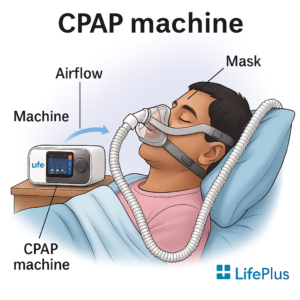
CPAP
**
*Understanding the Signs and Seeking the Right Diagnosis for Better Sleep Health*
**What is Sleep Apnea?**
Sleep apnea is a serious sleep disorder where your breathing repeatedly stops and starts during sleep. If left untreated, it can lead to major health issues like high blood pressure, heart disease, and stroke. There are two common types of sleep apnea:
* **Obstructive Sleep Apnea (OSA)**: The most common form, caused by a blockage of the upper airway.
* **Central Sleep Apnea (CSA)**: A less common type where the brain fails to send the right signals to control breathing.
Whether you’re struggling with excessive daytime fatigue, loud snoring, or waking up gasping for air, it’s crucial to get a proper diagnosis to manage your condition effectively. Here’s how you can diagnose sleep apnea:
—
### **1. Recognize the Symptoms**
The first step to diagnosing sleep apnea is identifying the signs and symptoms. Key symptoms to watch out for include:
* **Loud snoring** (often reported by a bed partner)
* **Excessive daytime sleepiness** or fatigue, even after a full night’s sleep
* **Gasping or choking for air** during sleep
* **Morning headaches**
* **Difficulty concentrating**
* **Frequent awakenings during the night**
If these symptoms resonate with you or your partner, it’s time to consult a healthcare provider.
—
### **2. Visit Your Healthcare Provider**
A primary care physician or a sleep specialist can help assess your condition. They’ll start by conducting a physical examination and asking about your medical history. Your doctor may ask questions like:
* Do you snore loudly at night?
* Do you often wake up feeling tired or out of breath?
* Have you been diagnosed with high blood pressure or heart disease?
They may also use a **sleep questionnaire**, such as the **Epworth Sleepiness Scale**, to measure your level of daytime sleepiness.
—
### **3. Undergo a Sleep Study (Polysomnography)**
To definitively diagnose sleep apnea, you may need to undergo a **sleep study**. This test records your brain activity, eye movement, muscle activity, heart rate, and breathing patterns while you sleep.
There are two main types of sleep studies:
* **In-Lab Polysomnography**: Conducted in a sleep center, this study provides comprehensive data by monitoring various body functions while you sleep.
* **Home Sleep Apnea Test (HSAT)**: For mild to moderate cases, this portable device can be used at home to track your breathing and oxygen levels.
The results from the sleep study will determine the severity of your condition and guide treatment options.
—
### **4. Assess the Severity**
Once the sleep study results are in, your doctor will assess the severity of your sleep apnea:
* **Mild Sleep Apnea**: 5 to 15 apneas (breathing pauses) per hour.
* **Moderate Sleep Apnea**: 15 to 30 apneas per hour.
* **Severe Sleep Apnea**: More than 30 apneas per hour.
The severity of your condition will help determine the best course of treatment.
—
### **5. Consider Additional Tests**
In some cases, additional tests may be necessary, such as:
* **Blood Tests**: To rule out other conditions like thyroid problems or anemia.
* **Imaging**: A **CT scan** or **MRI** may be ordered if structural issues in the airway are suspected.
—
### **6. Discuss Treatment Options**
Once diagnosed, your healthcare provider will discuss treatment options based on the severity of your condition. Common treatments include:
* **Lifestyle Changes**: Weight loss, avoiding alcohol, and sleeping on your side.
* **CPAP Therapy**: A Continuous Positive Airway Pressure (CPAP) machine, like the **LifePlus SleepEzy CPAP LPM-201**, is the most common treatment for OSA. It keeps the airway open by providing a steady stream of air through a mask.
* **BiPAP Therapy**: A Bi-level Positive Airway Pressure machine is used for more severe cases of sleep apnea.
* **Oral Appliances**: Dental devices that reposition the jaw to keep the airway open.
* **Surgery**: In rare cases, surgery may be needed to remove excess tissue or correct anatomical issues.
—
### **Why Timely Diagnosis is Crucial**
Diagnosing sleep apnea early can significantly improve your quality of life. Left untreated, it can lead to complications like cardiovascular disease, stroke, diabetes, and poor mental health. With the right treatment, such as CPAP therapy, you can manage sleep apnea effectively and restore your energy levels.
—
### **LifePlus SleepEzy CPAP: A Game-Changer for Sleep Apnea**
If you’ve been diagnosed with sleep apnea, the **LifePlus SleepEzy CPAP LPM-201** can be an excellent solution to improve your sleep quality. This innovative device is designed to provide optimal comfort and efficient airway support for a restful night’s sleep.
* **Features include:**
* **Auto-adjusting pressure** for personalized therapy
* **Ultra-quiet motor** for a peaceful sleep environment
* **Built-in humidifier** to reduce dryness and irritation
* **Easy-to-use interface** with a sleek, user-friendly design
—
### **Conclusion**
Sleep apnea is a serious condition that requires prompt diagnosis and treatment. By recognizing the symptoms, visiting a healthcare provider, and undergoing a sleep study, you can get the proper diagnosis and take the necessary steps towards treatment. With products like the **LifePlus SleepEzy CPAP**, managing your sleep apnea and improving your quality of life has never been easier.

About author

Leave a reply